You can find a burgundy clutch in about four seconds. Any burgundy clutch — leather or vegan, under $50 or over $500, vintage or new, filtered by size, sorted by distance, pictured from four angles with free returns. The entire retail surface of the planet has been indexed, cross-referenced, and tuned so that the vague intention "burgundy clutch" becomes a purchasable object before you finish the thought.
Now find yours. The one you already own. It is in your home, somewhere — a shelf, a bin, the inside pocket of a weekender bag, behind the winter scarves. There is no search bar. There is no filter. There is a memory, formed at the moment you put it wherever you put it, and that memory is the entire retrieval system standing between you and everything you own.
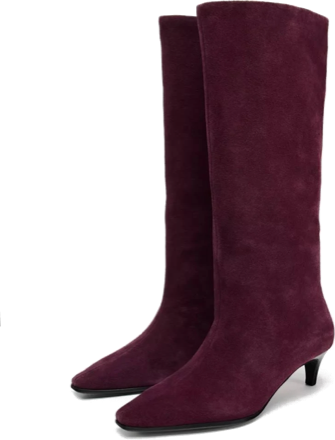
This is the strangest asymmetry in modern consumption, and almost nobody says it out loud: we are the best-indexed shopping civilization in history, standing in front of completely unindexed personal wardrobes. Thirty years of engineering went into the four seconds. Zero went into the six feet between a woman and her own rail.
The asymmetry does two things, and they compound.
The first is to buying. When a search fails inside the home and succeeds at a store, the path of least resistance runs through checkout. The unfindable is repurchased — not because anyone is careless, but because one side of the ledger answers in four seconds and the other side answers never. A second black belt is not a character flaw. It is the rational output of a system in which confirming you own the first one costs more effort than buying another. Retail did not plan this, but retail is the only party being paid for it, which may be why the plumbing has stayed exactly as it is.
One belt. You own it.
The second is to wearing, and it is the one with a number attached.
The number comes with an admission: it is fourteen years old. Fresher percentages circulate constantly — every resale report has one — but when this desk traced them, none led back to a primary source with a method attached, and a borrowed number is worse than an old one. The old one has a method. WRAP, the UK's waste-and-resources body, surveyed 7,950 British adults for its 2012 report "Valuing Our Clothes," and found that around 30% of the clothing in the average wardrobe had not been worn in at least a year — about $40 billion worth across the country at today's exchange rate (£30 billion in the report's own currency), out of roughly $5,300 (£4,000) of clothing in the average household. Call it 1.7 billion garments, hanging, present, owned, and still.
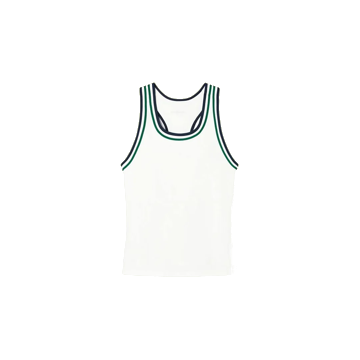

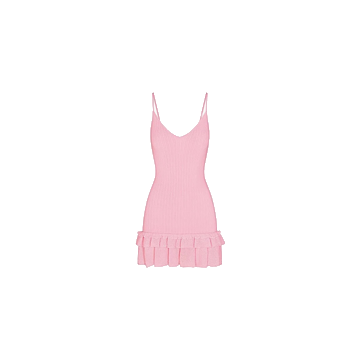

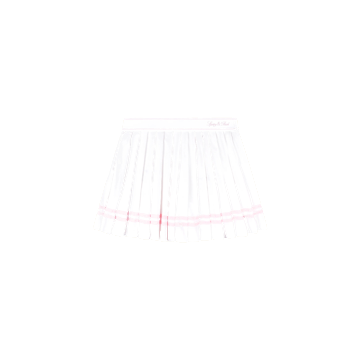


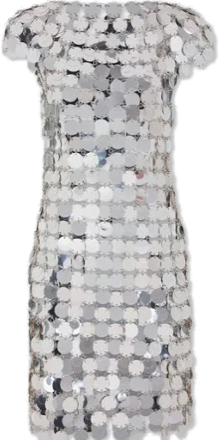

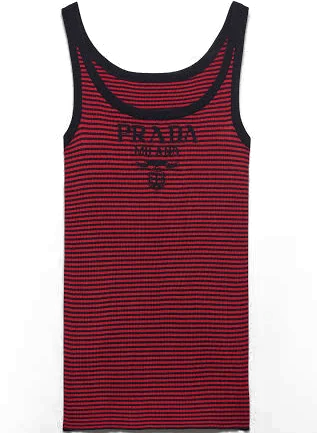
Roughly what the average UK wardrobe holds, scaled to ten hangers.
The finding inside the finding is the one that matters here. WRAP asked about those unworn clothes, and over two-thirds of the people surveyed said they would wear them. Not donate them, not sell them — wear them. The unworn third of the wardrobe is not a rejected third. The clothes were not auditioned and cut. They were filed by a retrieval system that optimizes for whatever is at the front of the rail and whatever was worn last week, and they fell out of its working memory — which is to say, hers, because she is the retrieval system. Nobody gave her a catalog. She is doing archival work for a collection the size of a small boutique, from memory, before 8:15 in the morning.
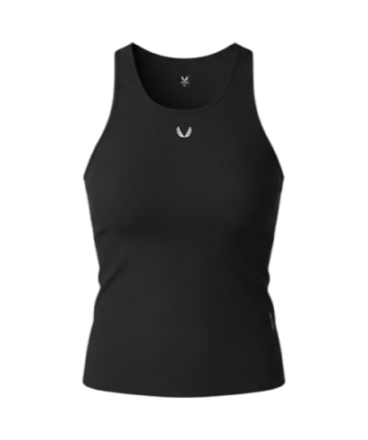
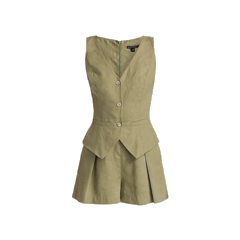



The unremembered is unworn. That is the whole mechanism. A garment you cannot recall at the moment of decision does not lose an argument about whether it works for today — it never enters the argument. Its hanger might as well be empty, except that an empty hanger would at least be information.
Disclosure, because the argument has arrived at the closet: I am building a wardrobe cataloguing app. That gives me a stake in this problem being real, and you should read the rest knowing it.
FROM VOLLEYYour closet, with a search bar.I want to be careful about what I am and am not claiming. The unindexed closet is not a personal failure, and treating it as one is how this subject usually gets written — as an organizing deficiency, a resolution for January. That framing has it backwards. No other asset class this valuable is managed from unaided memory, and nobody suggests the owner is the problem. A $5,300 portfolio gets a statement. A $5,300 wardrobe gets a January resolution and a vague sense of guilt, and the guilt is misaddressed: the condition is infrastructural. The index was never built. Not by anyone — the same decades that gave every store on earth a search bar gave the home closet nothing at all.
And the asymmetry is self-reinforcing, which is the genuinely unimpressive part. Every repurchased black belt makes the wardrobe bigger, which makes the memory's job harder, which makes the next search inside the home likelier to fail, which routes the next intention through a store's search bar instead. The four seconds get faster every year. The six feet do not.
What would it even mean to close the gap? Not an app feature — an idea, older than software: that a collection you cannot ask questions of is not fully yours. Libraries understood this centuries ago; the catalog is what turns a pile of books into a library. The wardrobe is still waiting for its version of that thought to be taken seriously — by anyone — and the measure of how unseriously it has been taken is that the best available count of what is hanging unworn in it dates from 2012. Nobody has even bothered to re-measure the water we are standing in.
 SEP 30