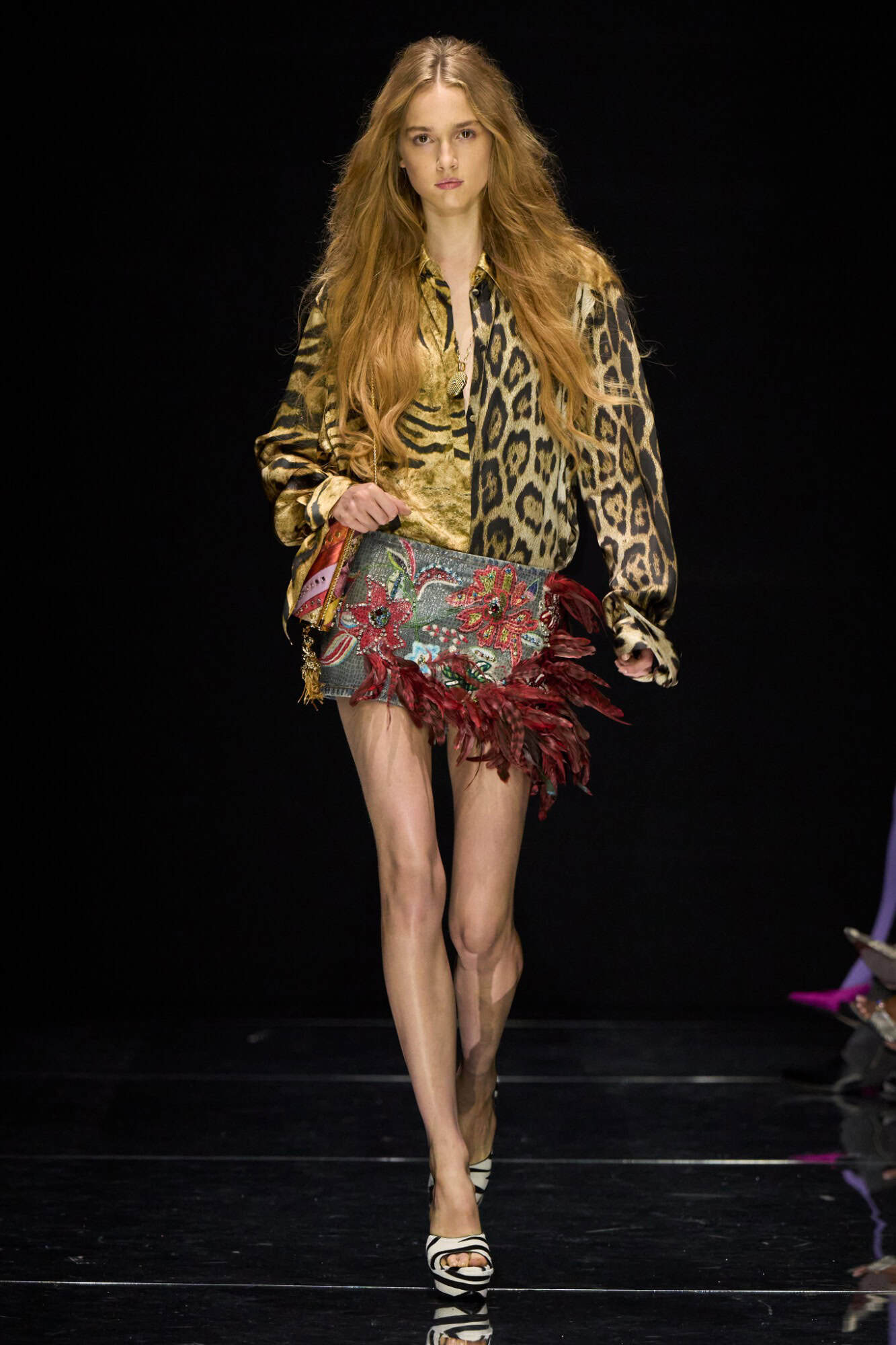
Three East Asian fashion capitals, three Gen Z stories running this month — and they rhyme in a way worth noticing.
Tokyo first. Fashionsnap is running a revival story about Japan's 1980s DC brands — the designer-and-character houses of the bubble era — driven by people born decades after the bubble burst; their interview subject, a 24-year-old born in 2002, praises exactly the quality the brands were once mocked for: the "too-much" aesthetic (Fashionsnap, retrieved this week; the piece carries our dating caveat until verified). Excess, secondhand: the DC revival runs through archives and resale racks, not new production, because the originals exist and the originals are the point.
China's version has a taxonomy. Jing Daily's forecast of how the country's Gen Z will dress in 2026 names three modes: "Emotional Excess: maximalism as release," "Recessioncore: creativity under constraint," and "Mindful Consumption: calm amid chaos" (Jing Daily, January 2, 2026) — with a companion piece charting the return of high-saturation Y2K style as, in their words, "the antidote to quiet luxury." Hold those first two side by side, because the pairing is the finding: the same cohort is running maximalism and thrift simultaneously, and the sources treat this as one system, not a contradiction. Excess is the mood; constraint is the method. This month's market news bears on the method side: Bernstein's "K-shaped" read has aspirational shoppers pulling back (Jing Daily, September 22), while Chinese designers take the other route to reach them — Susan Fang with Crocs, Oscar Ouyang with Pull&Bear, the high street as the new bridge between runway credibility and a Gen Z budget (Jing Daily, September 21).
Seoul, briefly and honestly: our Gen Z-specific sourcing there is thinnest this month. What the record shows is the scene itself — Seoul Fashion Week's 25th anniversary, a returning-from-Paris homecoming in Re Rhee, and a garment of the week that reads straight out of the too-much playbook: a trench "sliced into three sections and reconnected with safety pins" (Korea Herald, September 2, 2026). The deconstruction impulse is on the runway; who's buying it and how young they are, we won't claim until someone counts.
So here's the throughline the sources hand us, no coinage required. In Tokyo the excess is archival — buy the actual 1985 jacket. In China it's named and theorized — maximalism as release, funded by recessioncore discipline and high-street collaborations. In both, the emotional register is abundance and the economic register is restraint, at the same time, in the same person. Fashion media keeps framing loud-versus-quiet as a pendulum. East Asia's Gen Z, per its own press, is refusing the pendulum: loud on the body, quiet in the ledger.
Which is, if you think about it, exactly what a closet is for. The clothes you already own are the one place excess costs nothing.
- Runway photography — Launchmetrics Spotlight, via Vogue's Cavalli gallery. Used by editorial licence; rights confirmed by Tate Socha, 2026-09-26. [PROVENANCE — credit line must appear with the images at publish. If the Launchmetrics licence does not cover this use, these frames come out and the piece runs text-first; it was built to do that.]